What does a frame-off restoration include?
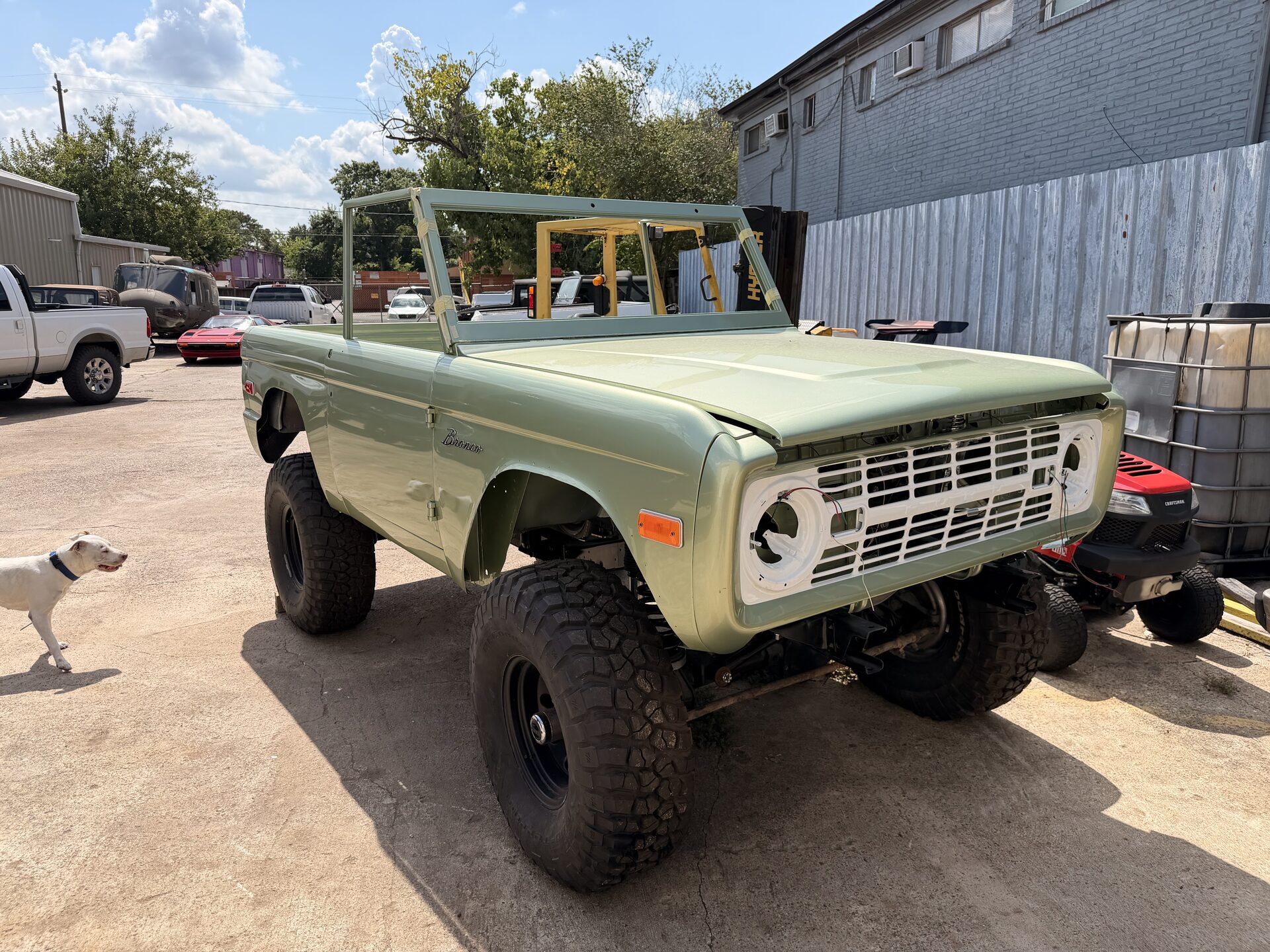
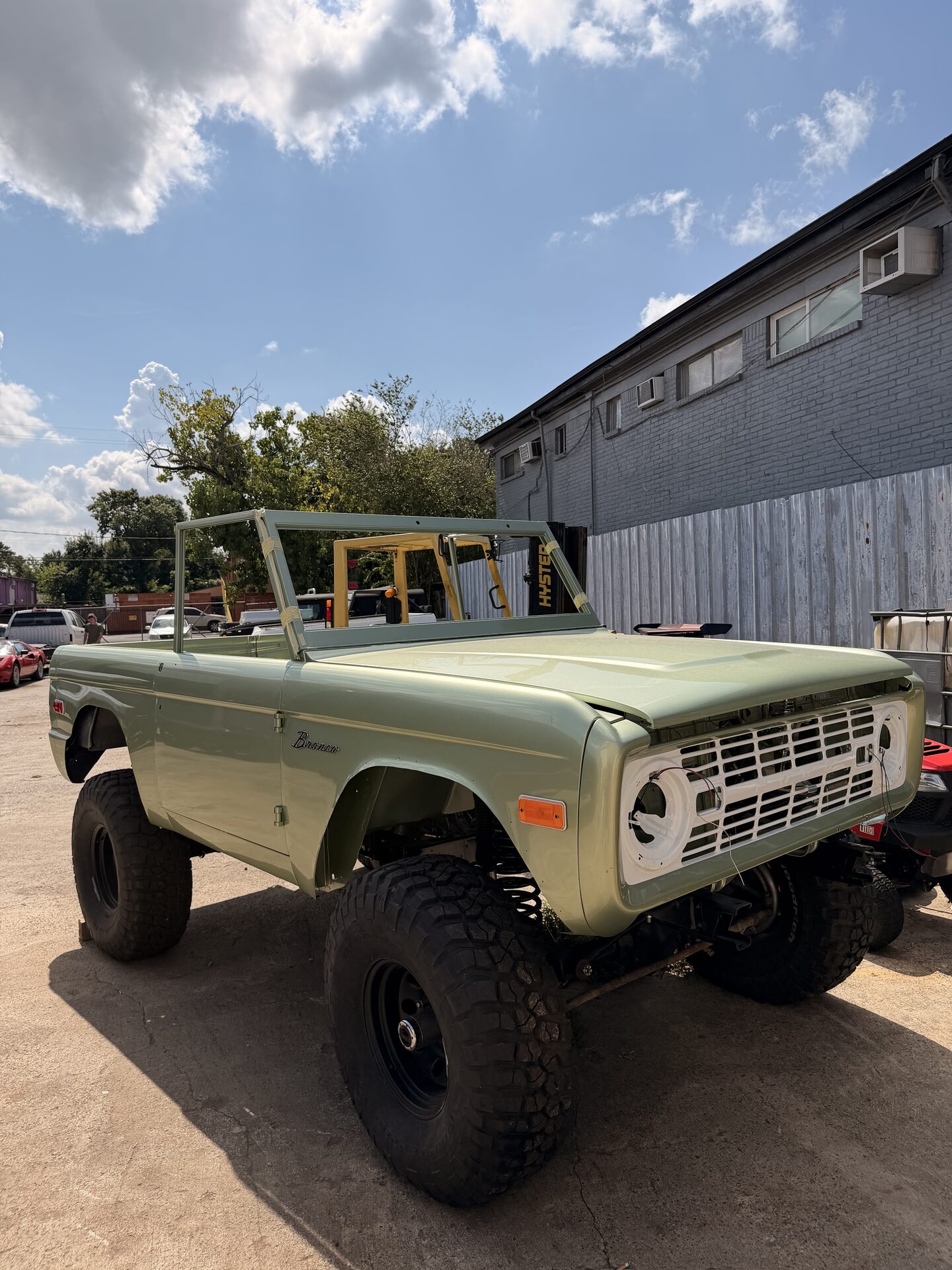
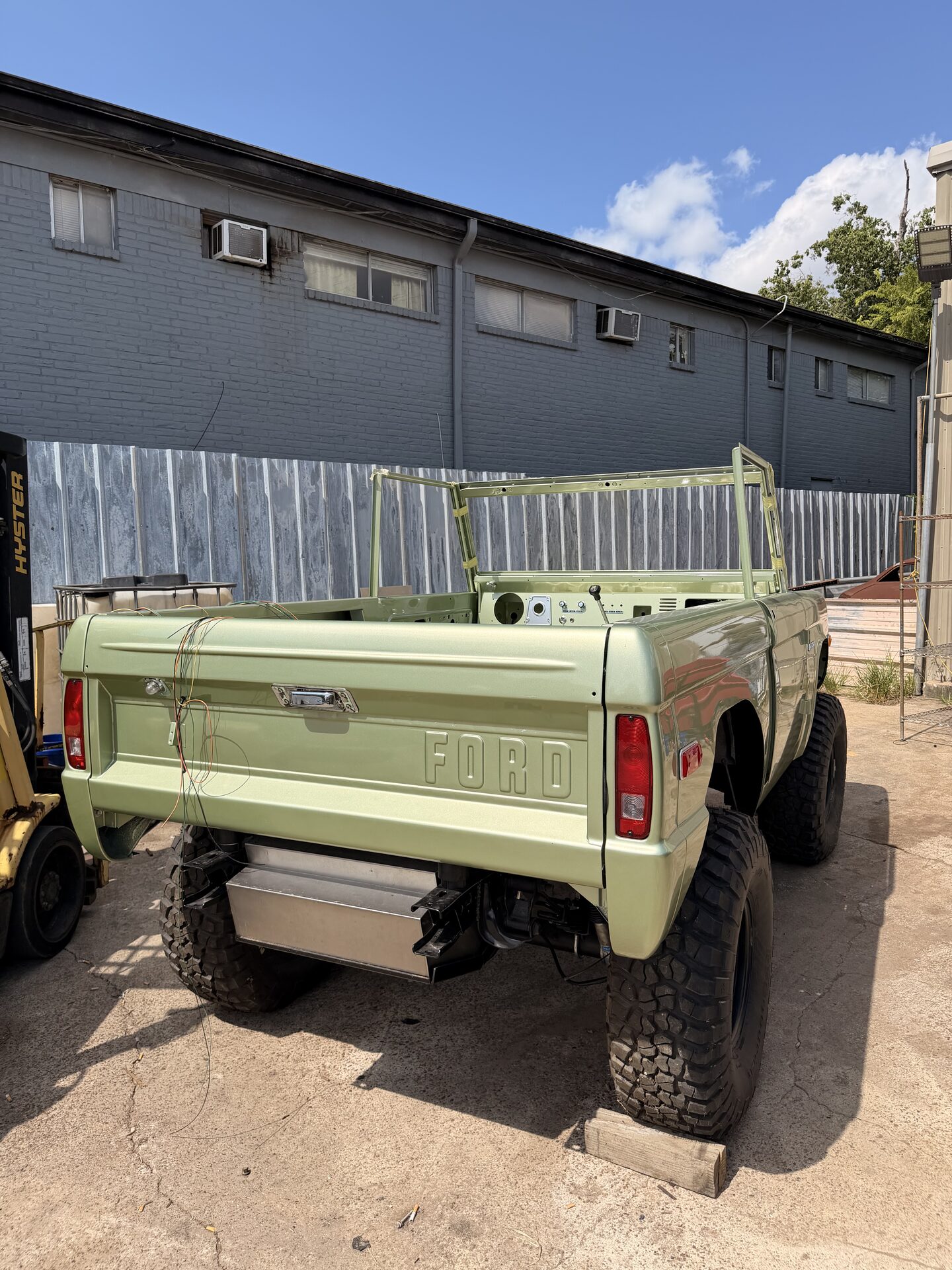
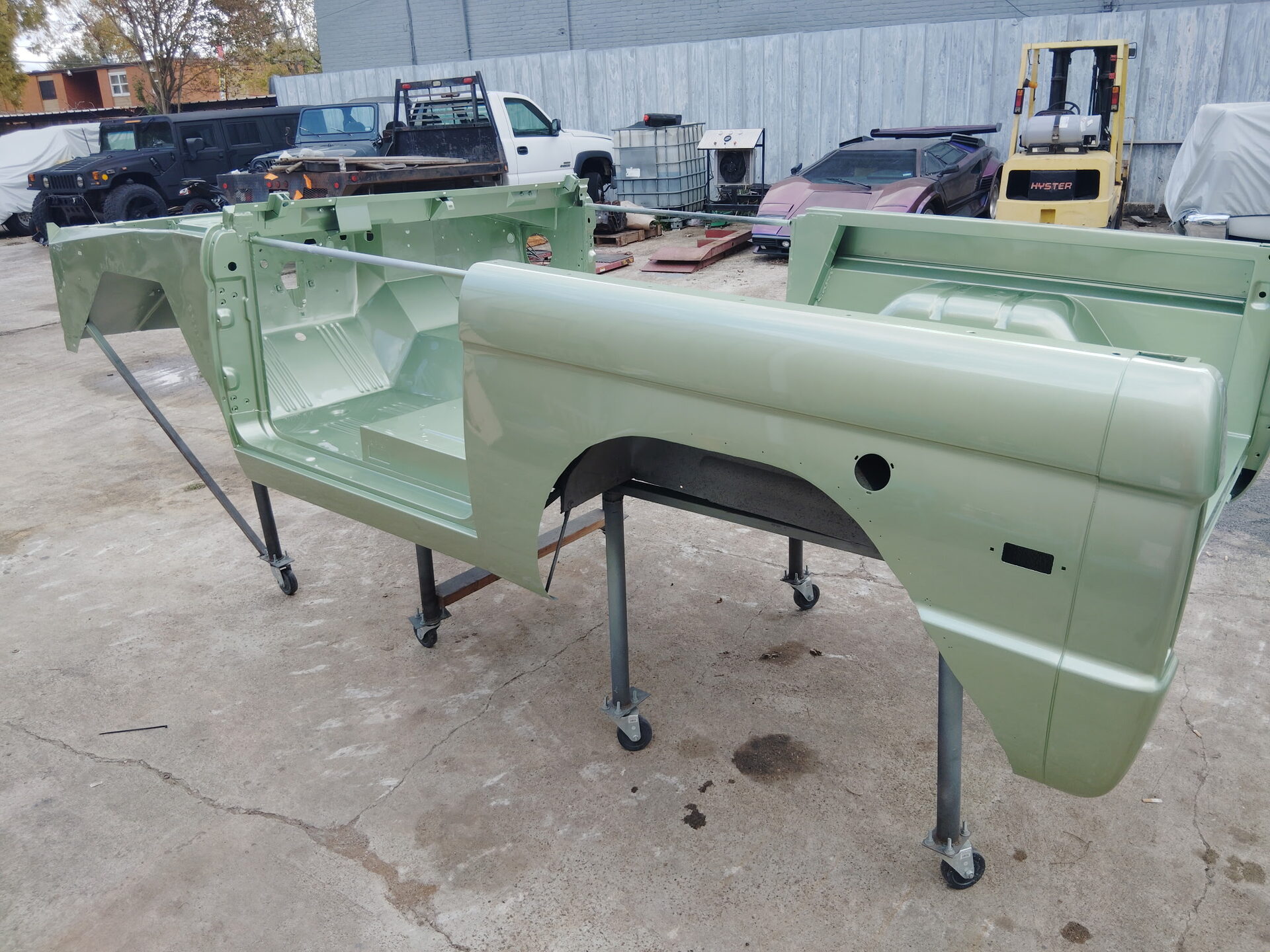
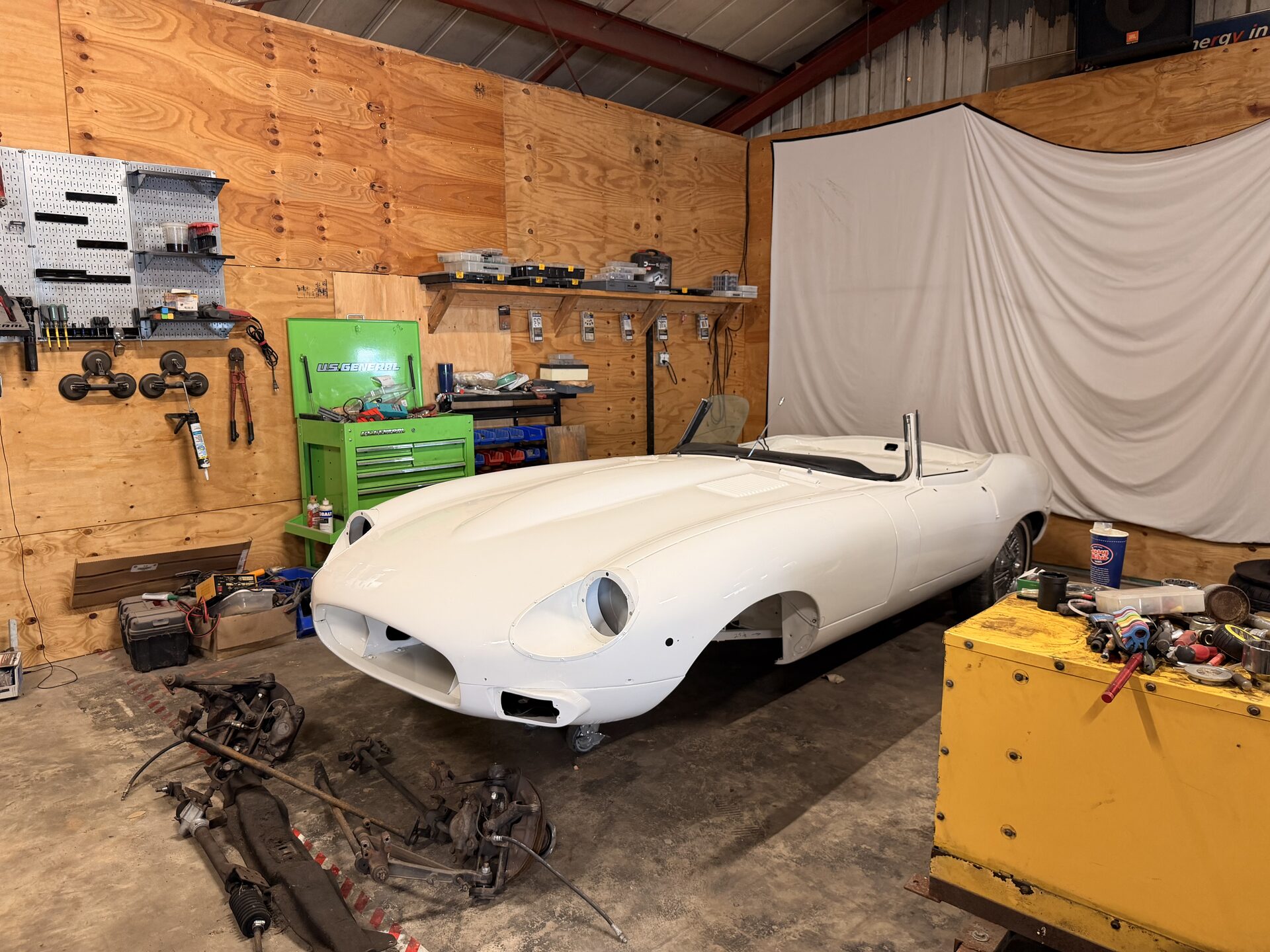
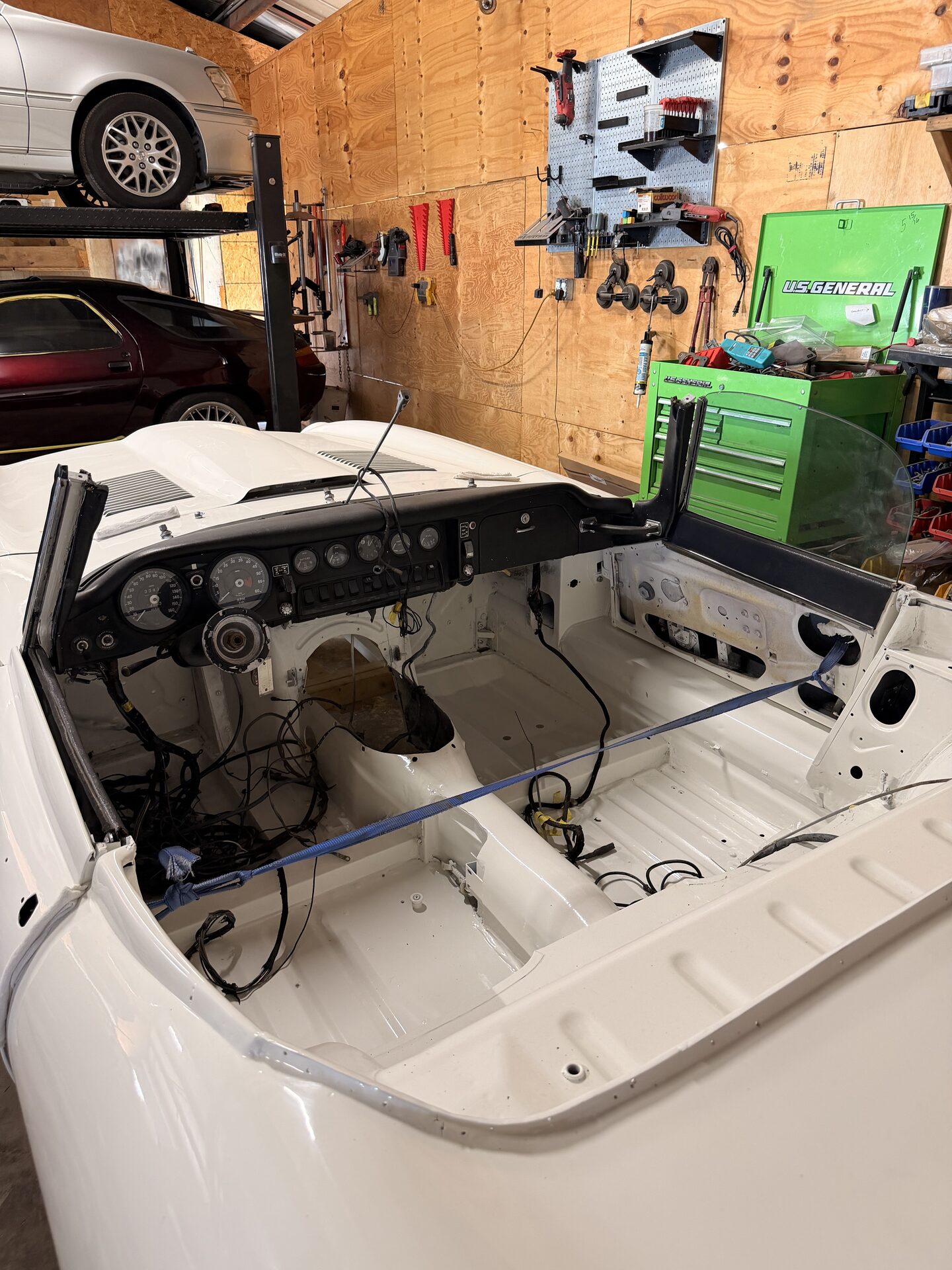
A frame-off restoration means the body is separated from the frame and the vehicle is reduced to its individual assemblies. The frame is stripped and refinished, suspension and brake components are rebuilt or replaced, the body shell is stripped to bare metal for rust repair and panel alignment, the drivetrain is rebuilt or replaced, and wiring, glass, trim, and interior are renewed before final assembly. Because everything is separated, corrosion and previous repairs are addressed rather than covered.
What affects the scope and timeline of a restoration?
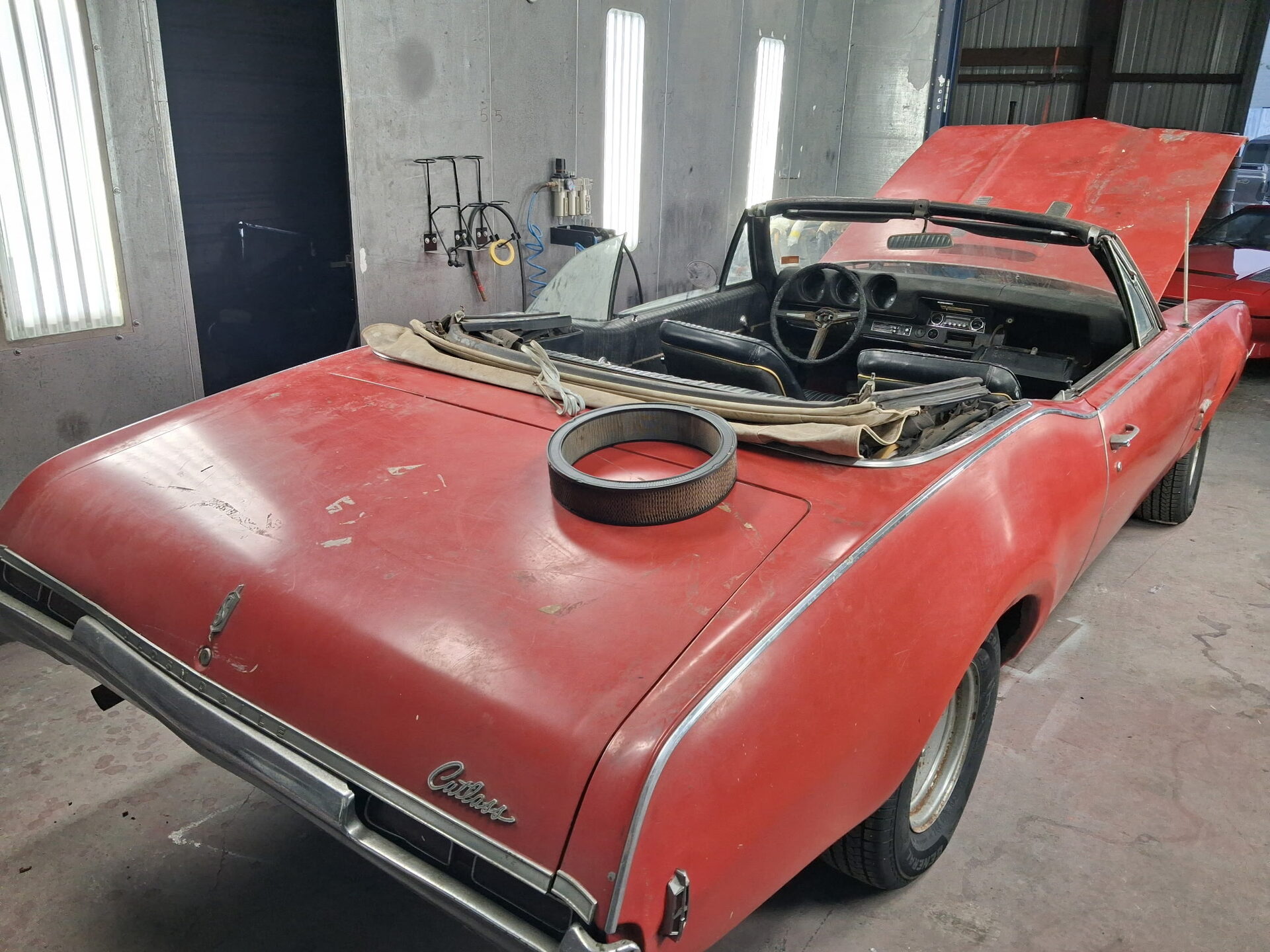
Scope is driven by the condition of the metal, how complete the car is, and how far the finished result should go beyond factory specification. Hidden rust in floors, rockers, and cowls, missing or unavailable trim, and requests for modern drivetrain or interior upgrades all expand the work. Scope is set after teardown and inspection, and changes to the target level of finish change the plan.
Do I have to do a full restoration?
No. Many vehicles come in for a defined portion of the work, such as metal and paint only, a driveline refresh, or an interior. The same standards apply to partial work, and the plan states which systems are being addressed and which are being left alone.
How is restoration bodywork different from collision repair?
Collision repair returns a damaged area to its pre-loss condition and works around the undamaged parts of the vehicle. Restoration bodywork treats the whole shell as the work surface: panels are stripped, gaps are reset across the entire car, and the finish is applied to every exterior surface at once so color and texture match throughout.