LS or Coyote — how do I choose?
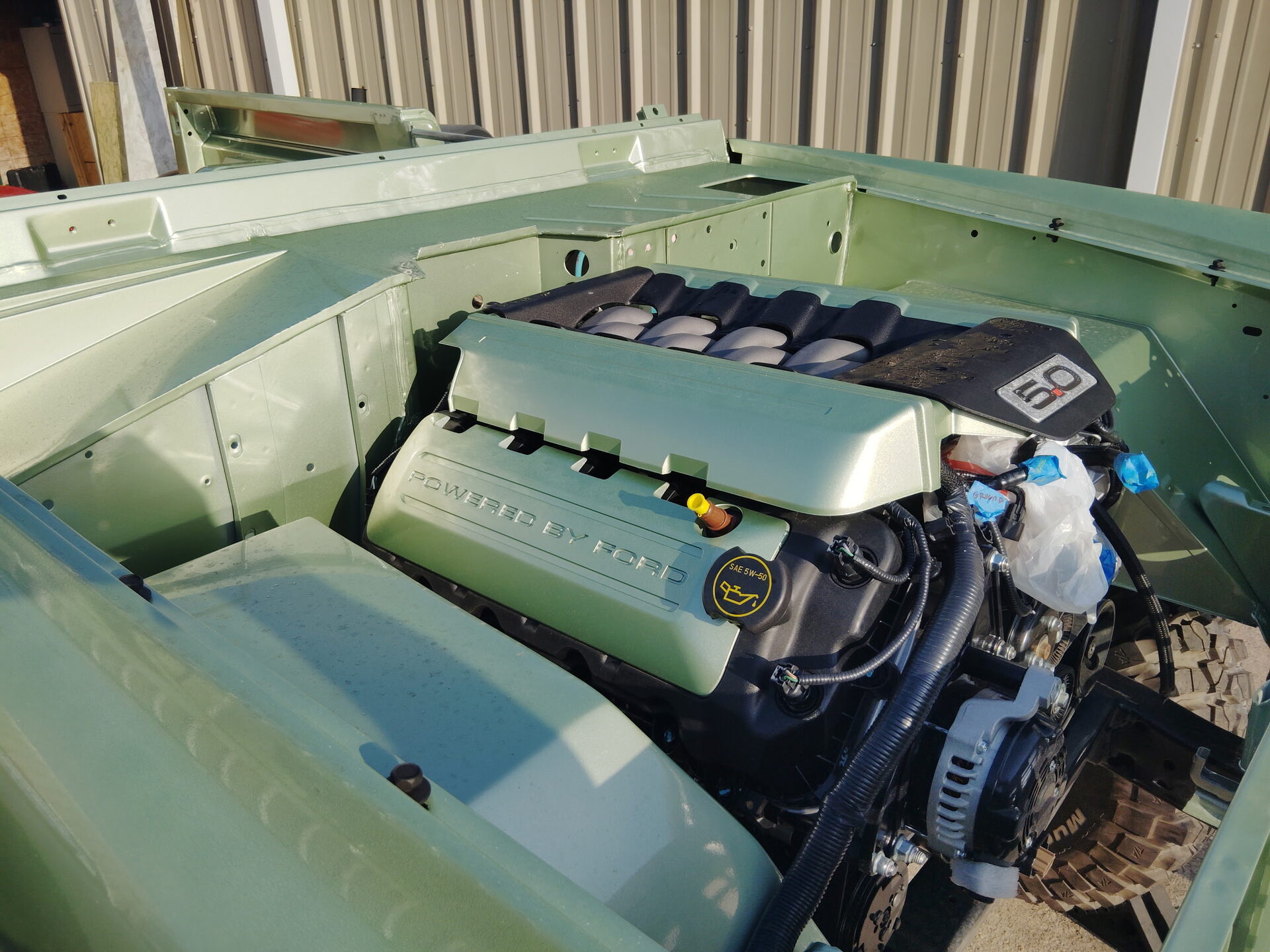
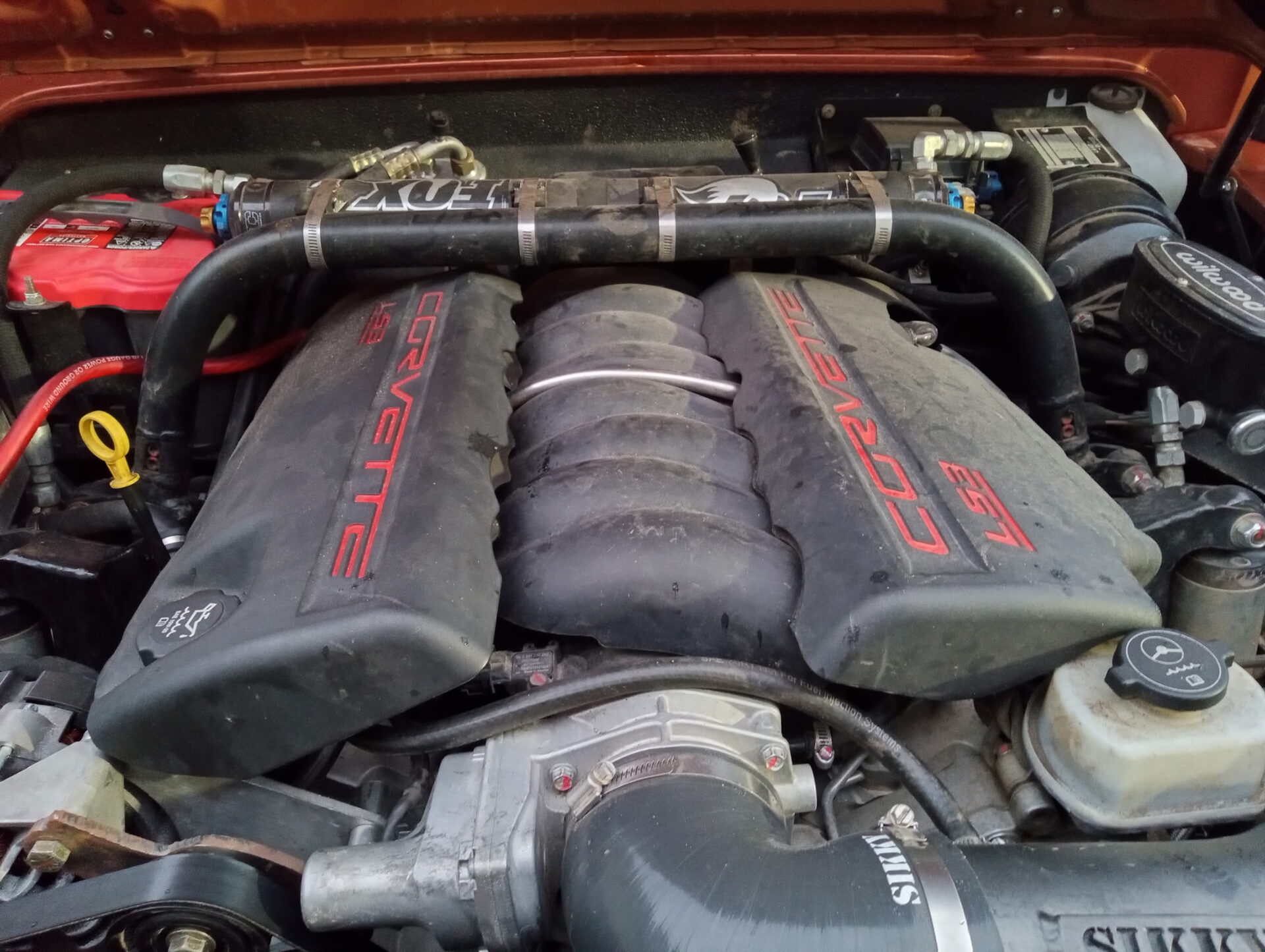
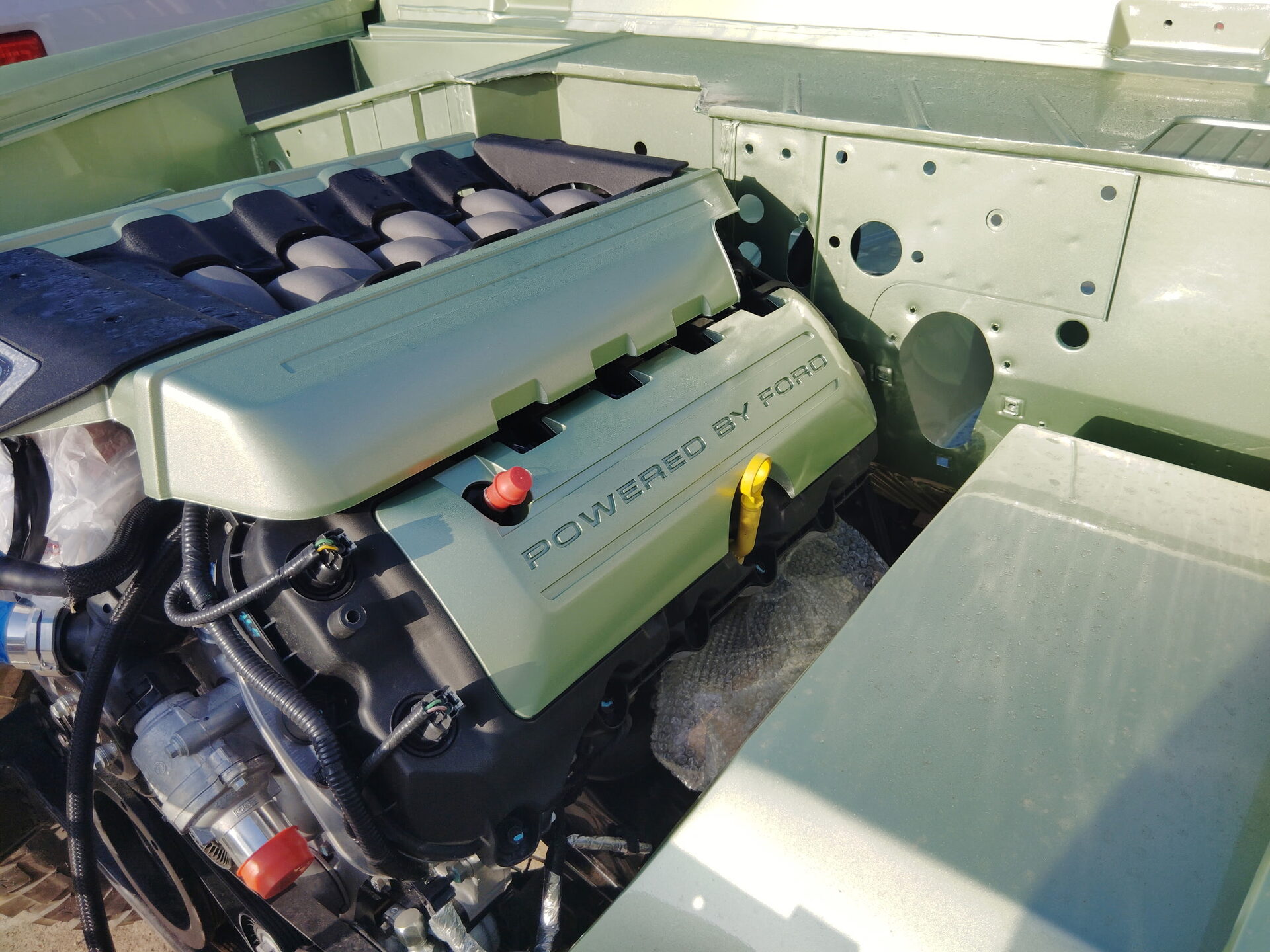
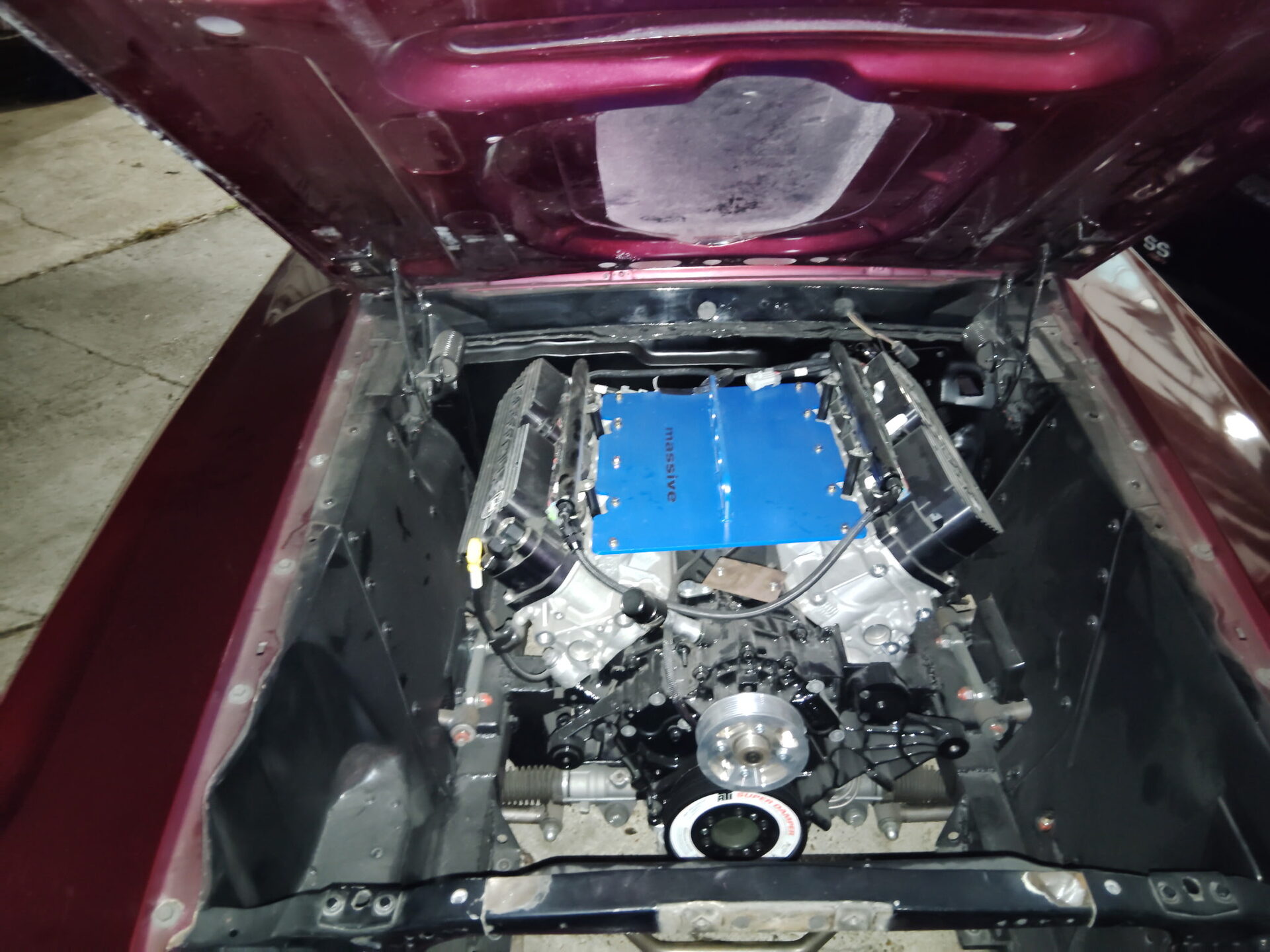
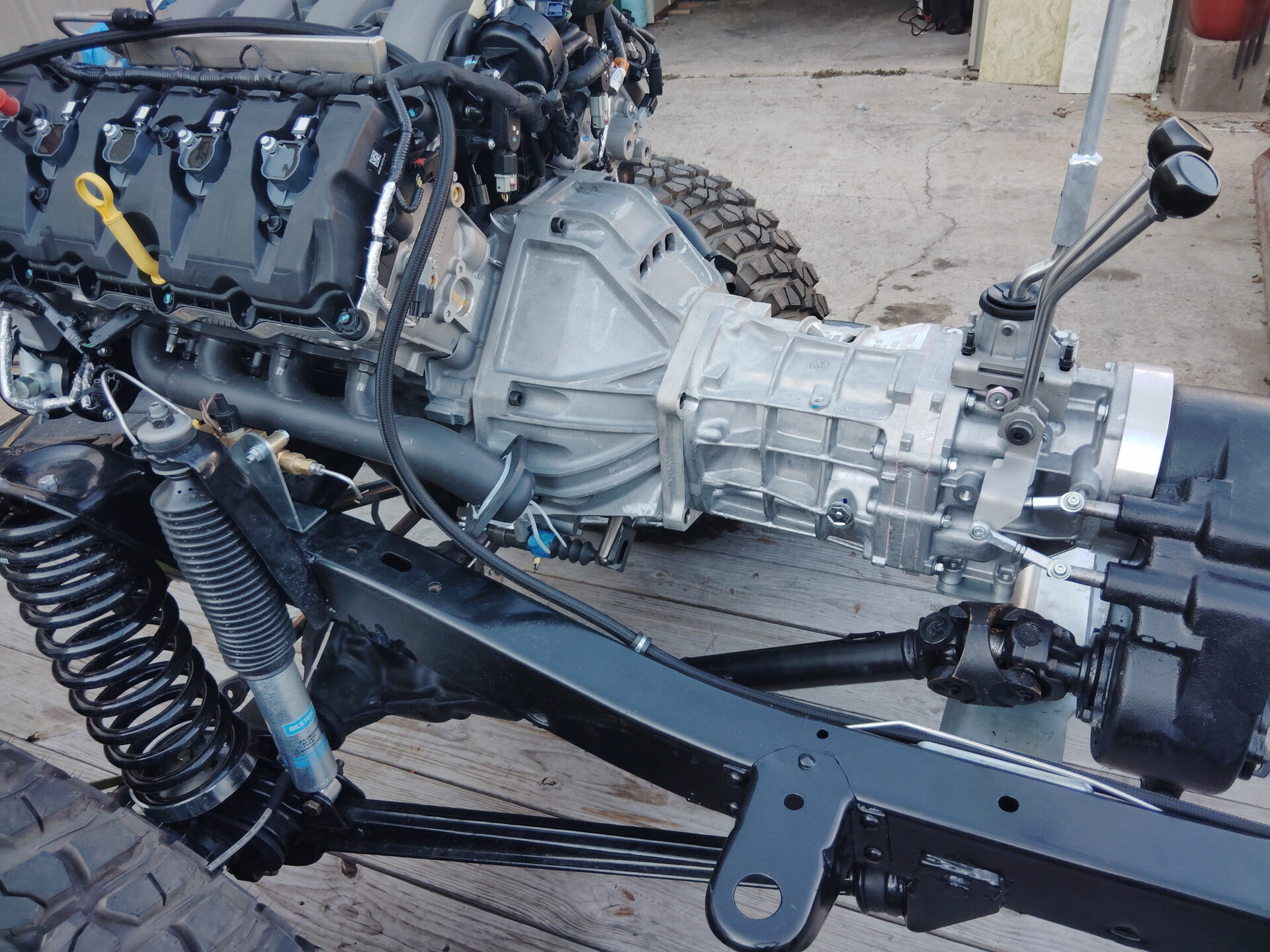
Both are proven swaps with different packaging. GM LS engines are compact, physically narrow, and have the widest range of off-the-shelf mounts, oil pans, and accessory drives, which usually means simpler installation in tight engine bays. Ford Coyote engines are taller and wider because of their dual overhead cam heads and often need more clearance work at the shock towers and firewall, but they suit Ford-bodied builds and drivers who want a modern revving character. The decision usually comes down to bay dimensions, transmission choice, and how the vehicle will be driven.
Does a swap require chassis and brake work?
Usually yes. Changing power delivery, engine weight, and weight distribution affects how the vehicle stops and turns. Most swap builds include a review of brakes, suspension geometry, steering, and the rear end so the whole vehicle matches the new driveline.
Can a restomod keep its original character?
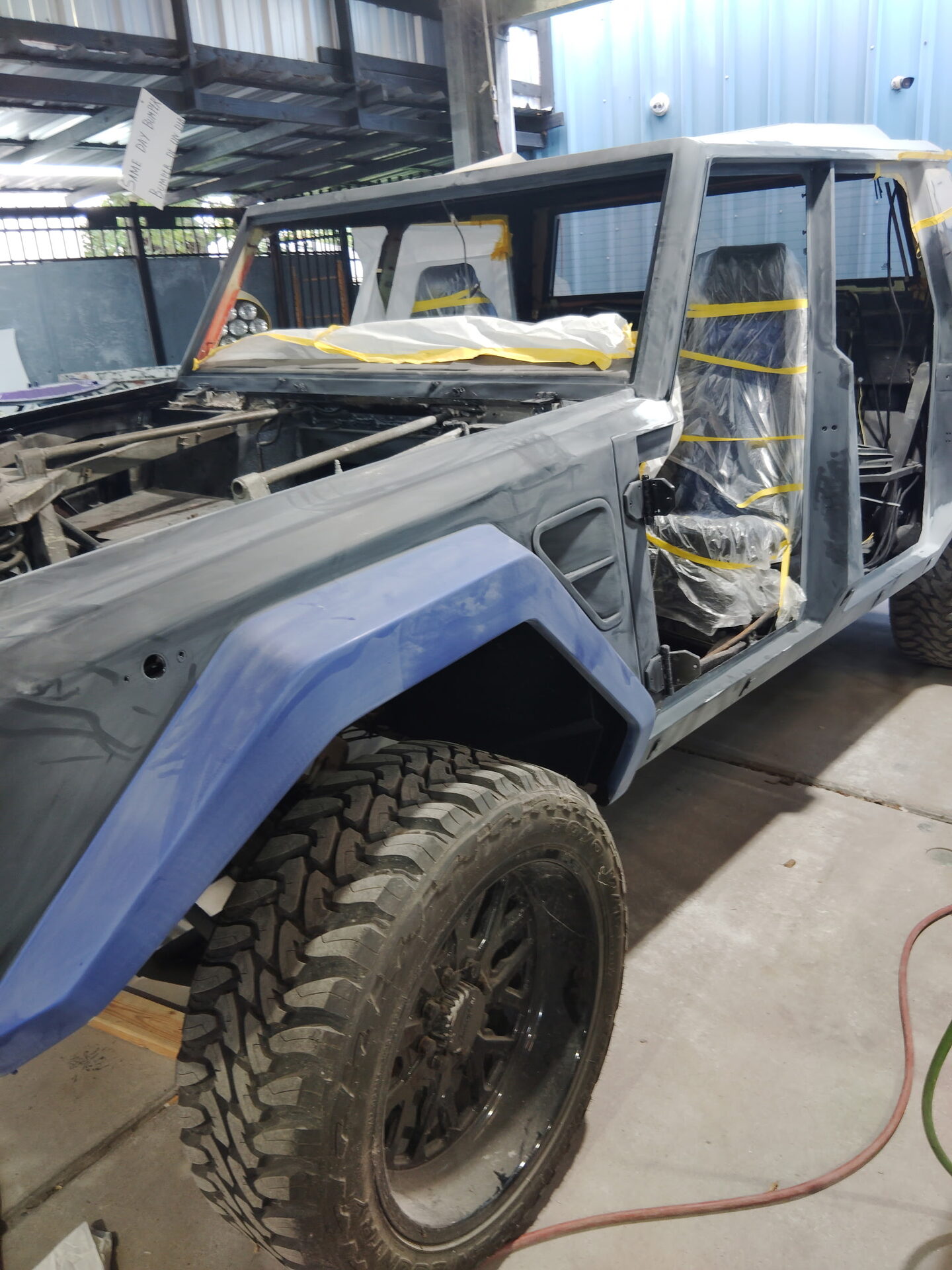
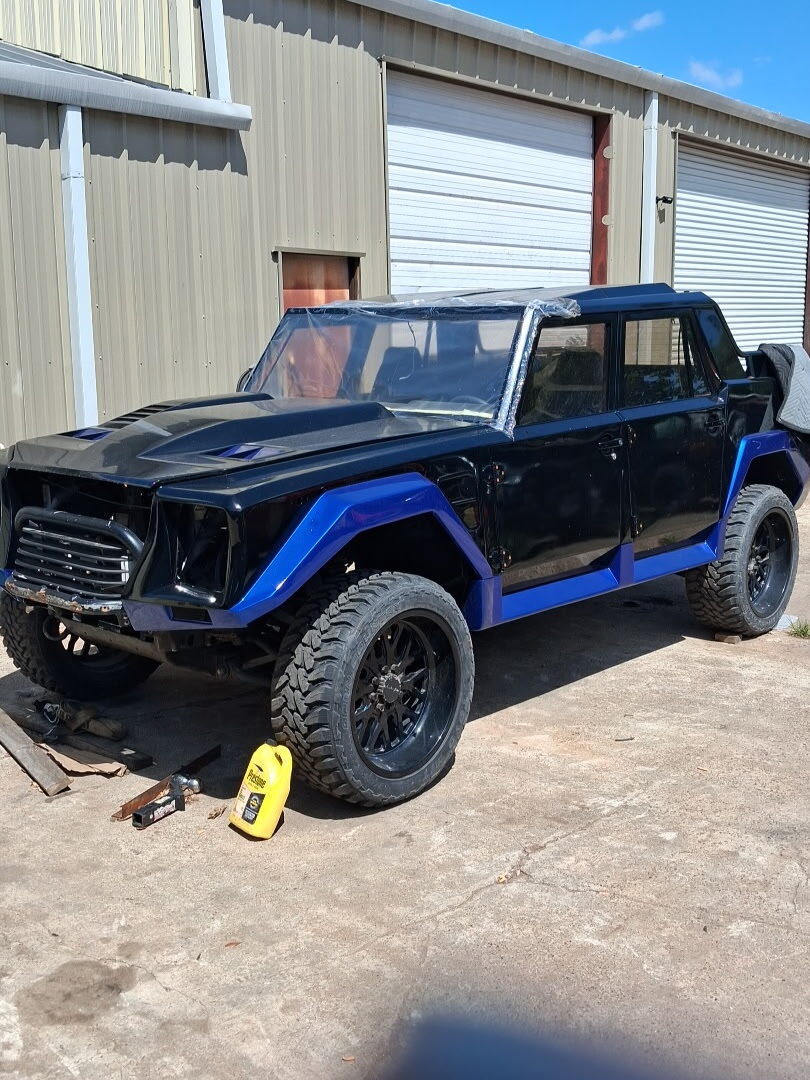
Yes. Restomod scope is a set of choices: some owners keep the factory dash, trim, and stance and only modernize the driveline, air conditioning, and brakes. Others rework the body, interior, and chassis. We set that line before the build starts so parts selection follows the intended result.
Who tunes the vehicle after the swap?
Calibration is part of the build. Once the engine, cooling, and fuel systems are complete, the vehicle is run and tuned so drivability, idle quality, and fueling are sorted before delivery rather than left to the owner.