Why tune on a dyno instead of on the street?
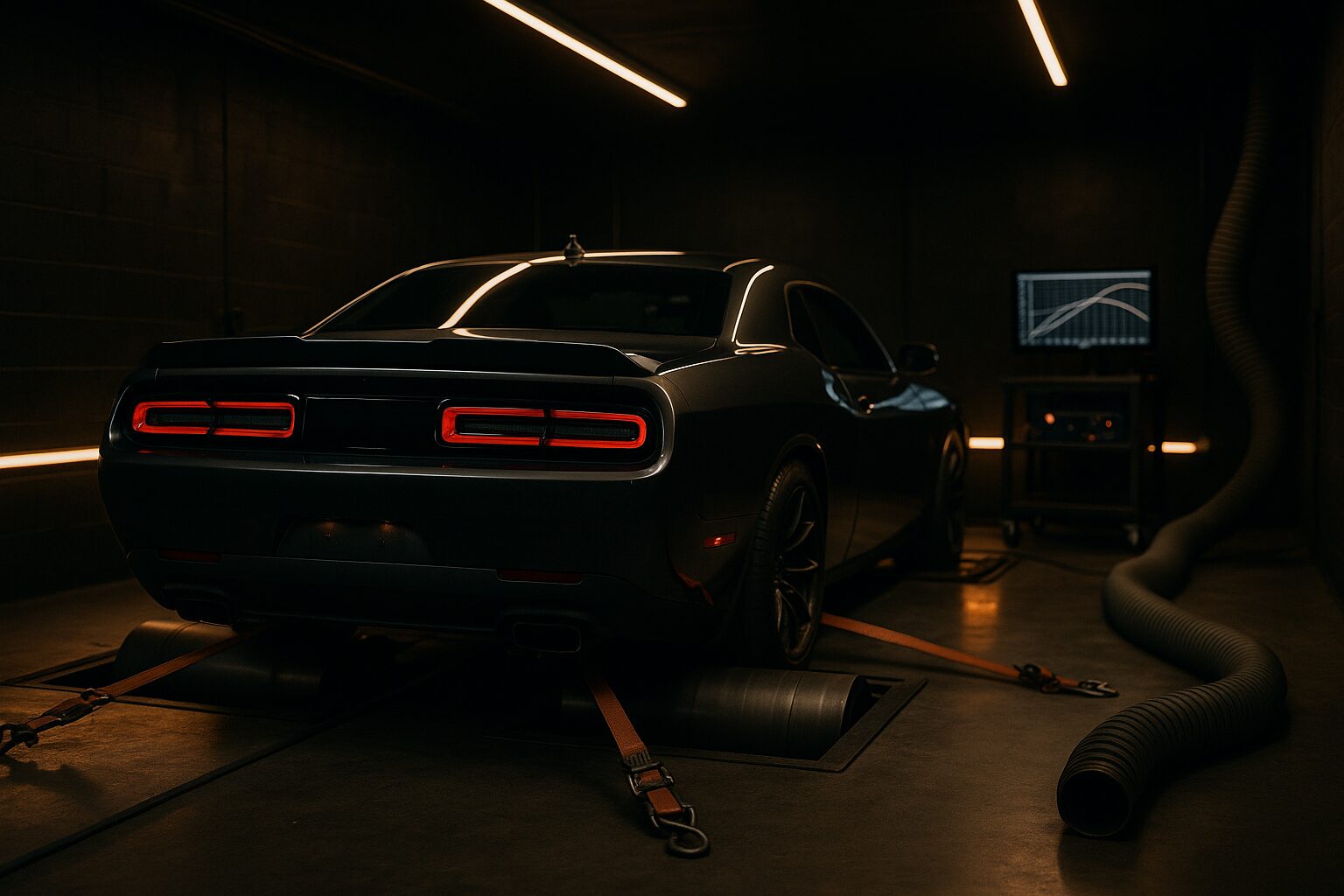
A dyno holds the vehicle at controlled load and speed, so the calibration can be adjusted in each cell of the fuel and timing tables and repeated exactly. It also allows temperatures, knock activity, and air/fuel ratio to be observed safely at full load, which is not practical on public roads.
Does adding power require other changes?
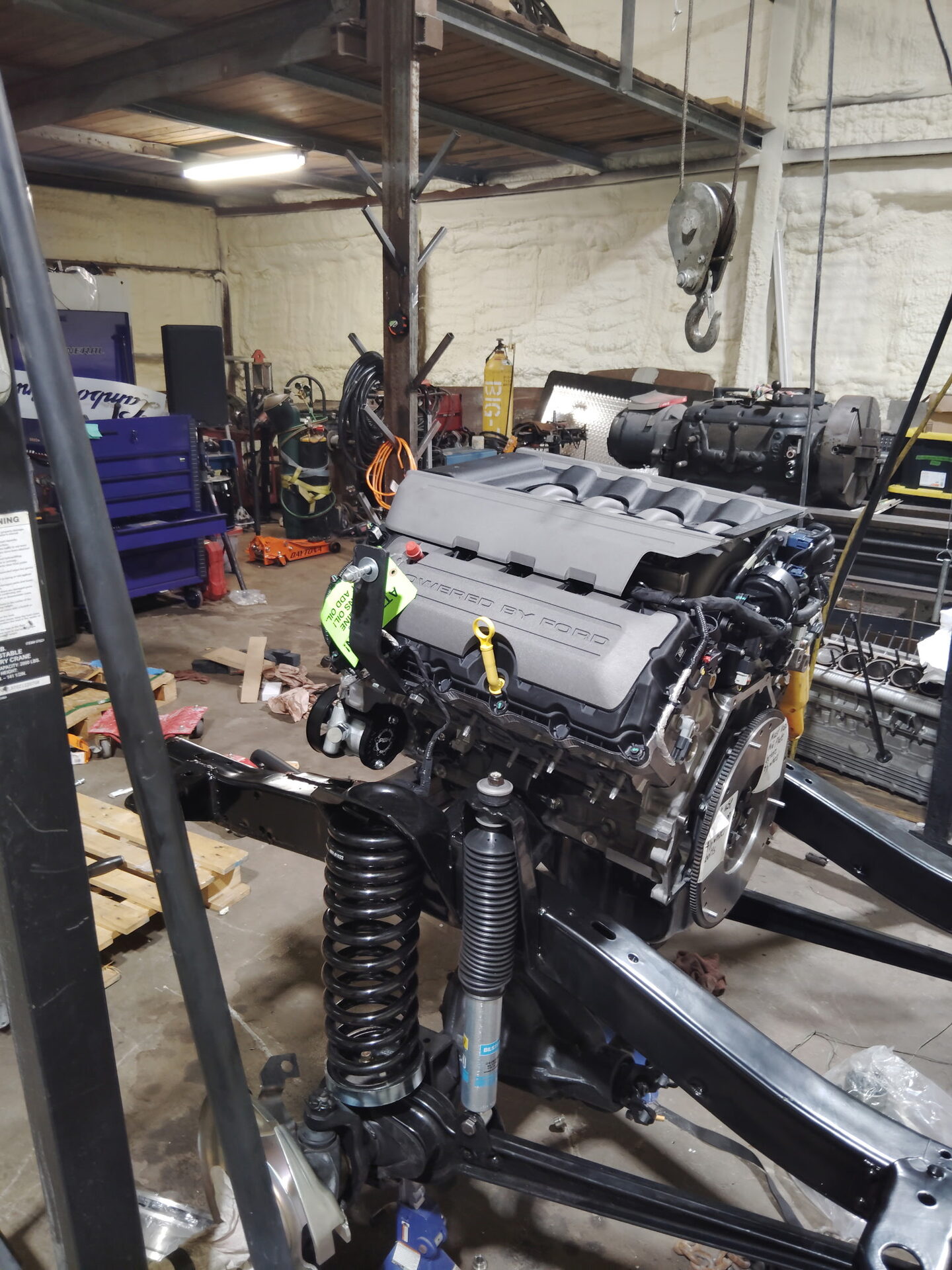
Almost always. Higher output raises demand on fuel delivery, cooling, ignition, driveline, and brakes. Planning those systems alongside the engine is what keeps the result reliable instead of fragile.
Can a stock engine be tuned?
Yes. Calibration on an otherwise stock engine can improve drivability, throttle response, and fueling, especially after intake, exhaust, or gearing changes. The gains are smaller than a full build, and the safe limits of the factory components set the ceiling.
What does blueprinting mean?
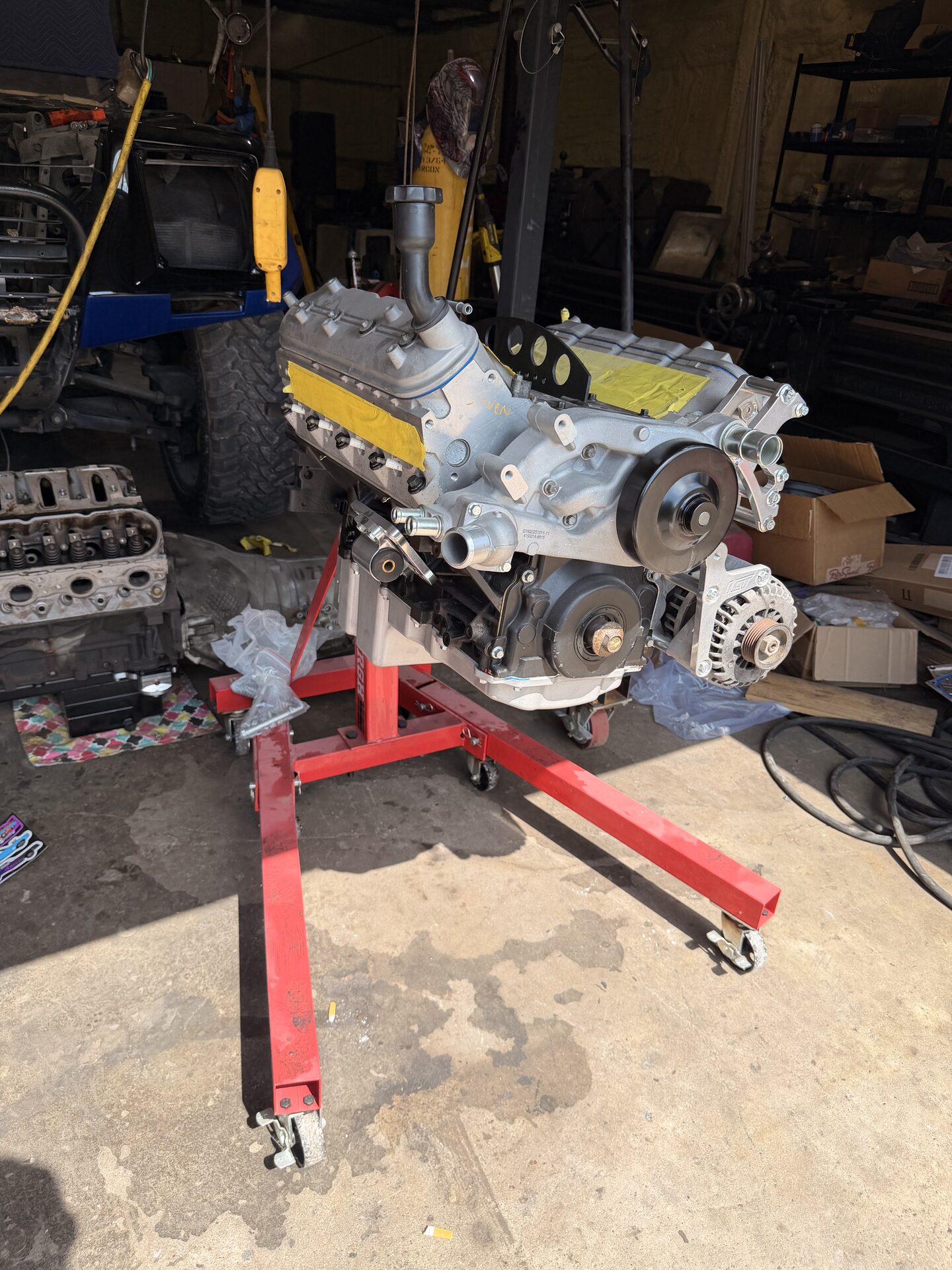
Blueprinting is measuring and machining each component to a defined specification rather than accepting factory production tolerance. Bore, deck, crank journals, bearing clearance, ring gap, and balance are brought to the same targets so the assembly behaves predictably under load.